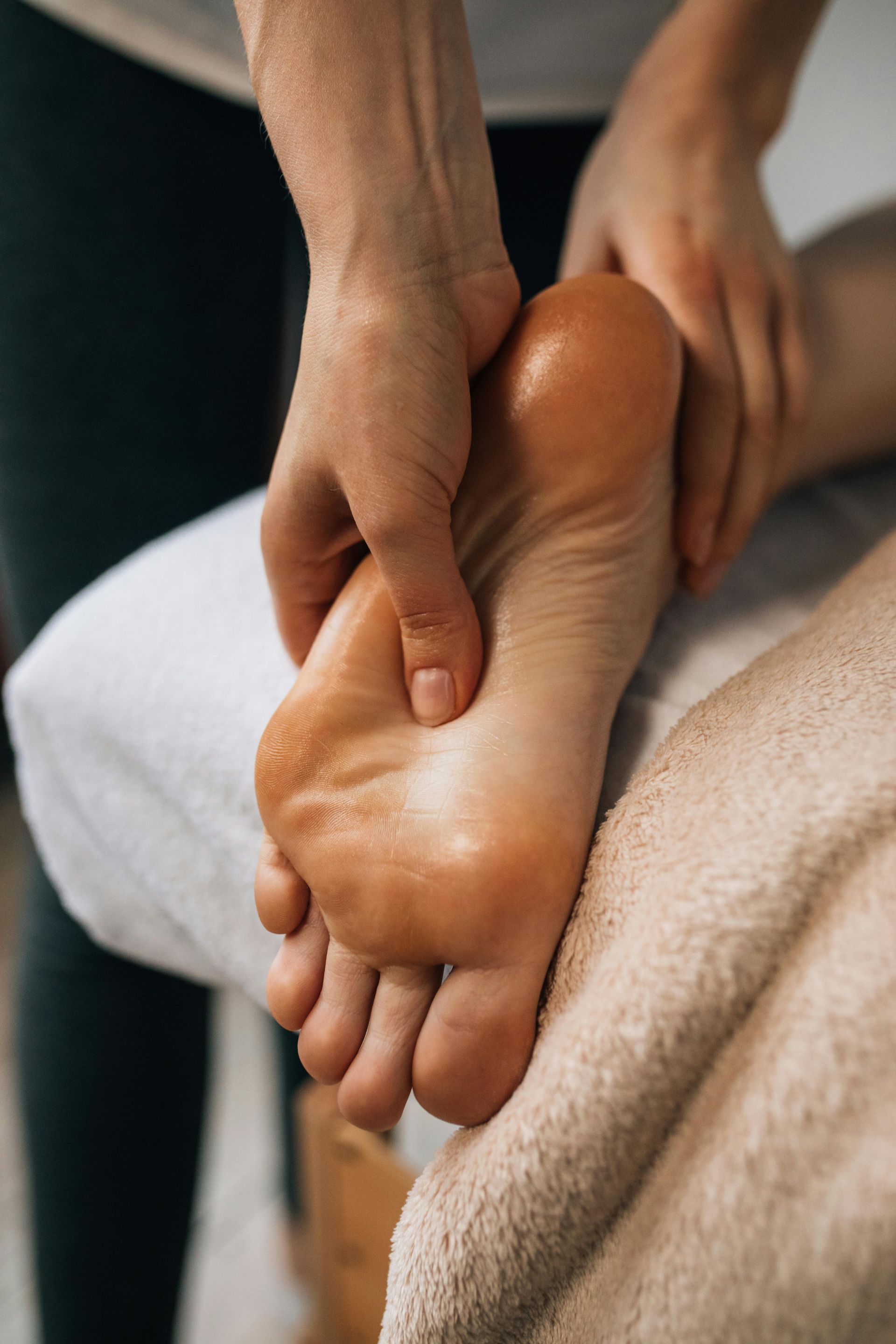
Why People Turn to Acupuncture & Reflexology – A Gentler Way to Support Wellbeing
Danny James • January 7, 2026
Why People Turn to Acupuncture & Reflexology – A Gentler Way to Support Wellbeing
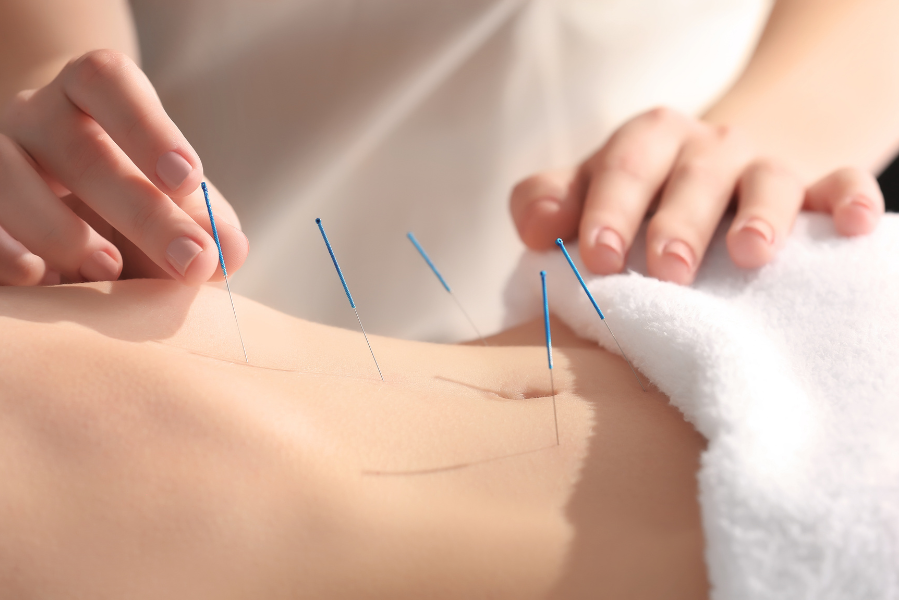
In a world that rarely slows down, it’s no surprise that many people begin looking for ways to feel more balanced, calmer, and more connected to their own bodies. Acupuncture and reflexology are often explored at times when life feels overwhelming, stressful, or simply out of sync.
Rather than promising quick fixes or miracle cures, these therapies are best understood as supportive wellbeing practices. People often seek them out when they want to relax deeply, manage everyday discomforts, or create space to focus on themselves.
Common reasons people explore these therapies
Clients frequently book acupuncture or reflexology for reasons such as:
- Ongoing stress or difficulty switching off
- Headaches or tension linked to busy lifestyles
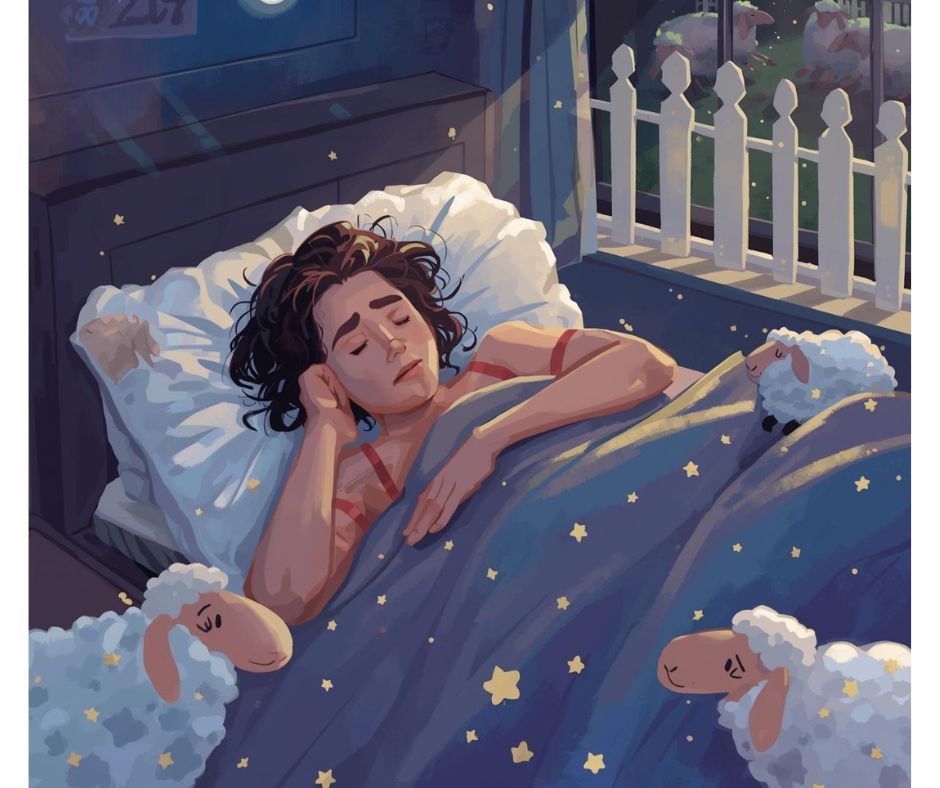
- Sleep disturbances
- Hormonal changes and women’s health transitions
- Digestive discomfort or feeling "run down"
- Emotional overload, anxiety, or burnout
It’s important to say clearly: acupuncture and reflexology do not replace medical care. Many clients use them alongside conventional treatments, seeing them as part of a broader self-care routine.
A space to pause
One of the biggest benefits clients mention isn’t a specific symptom at all - it’s the experience of the treatment itself.
A calm salon environment, soft lighting, gentle conversation (or silence, if you prefer), and unrushed time can be profoundly restorative. In a culture of constant notifications and pressure, simply lying down and being looked after can feel like a reset.
Listening to your body
Both acupuncture and reflexology are rooted in traditions that encourage awareness of the body as a whole, rather than focusing on isolated issues. Sessions often begin with a conversation about how you’re feeling physically and emotionally, helping clients feel heard as well as treated.
For many, this is the first step toward building a more mindful relationship with their own wellbeing.