Stuck counting sheep? Try acupuncture.
Suffering from insomnia can mean trouble falling asleep, staying asleep, or waking too early and feeling tired the next day. It can be short‑lived or persistent and often sits alongside other issues like pain or anxiety. The Sleep Charity estimates that acute, or short-lived, insomnia affects one in every three people in the UK, with 10-15 in every 100 people suffering from long-standing sleep difficulties.
The stress and sleep loop
Stress and anxiety ramp up sensitivity and racing thoughts, which block the switch to rest. Poor sleep then increases irritability and lowers resilience, creating a cycle that’s hard to break.
How can acupuncture help?
Acupuncture
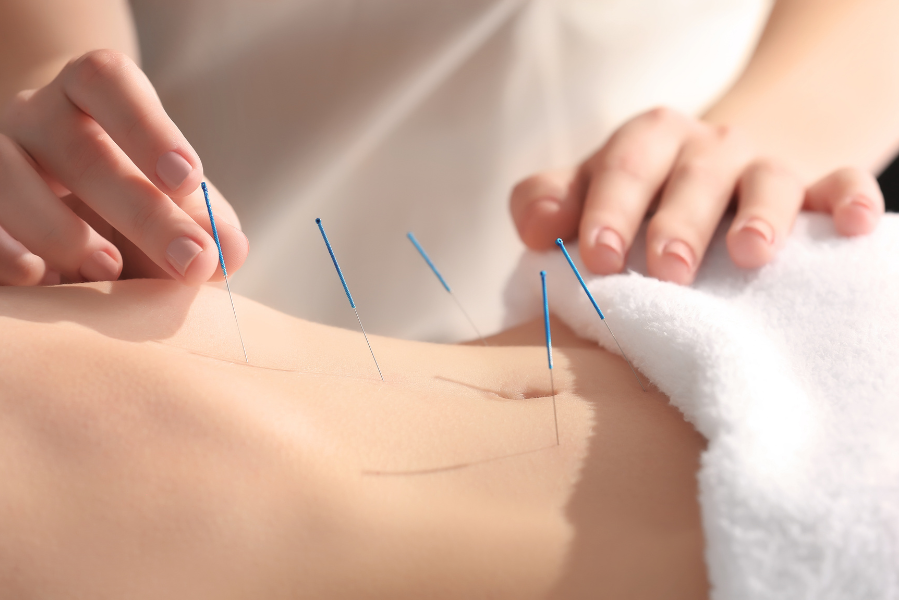
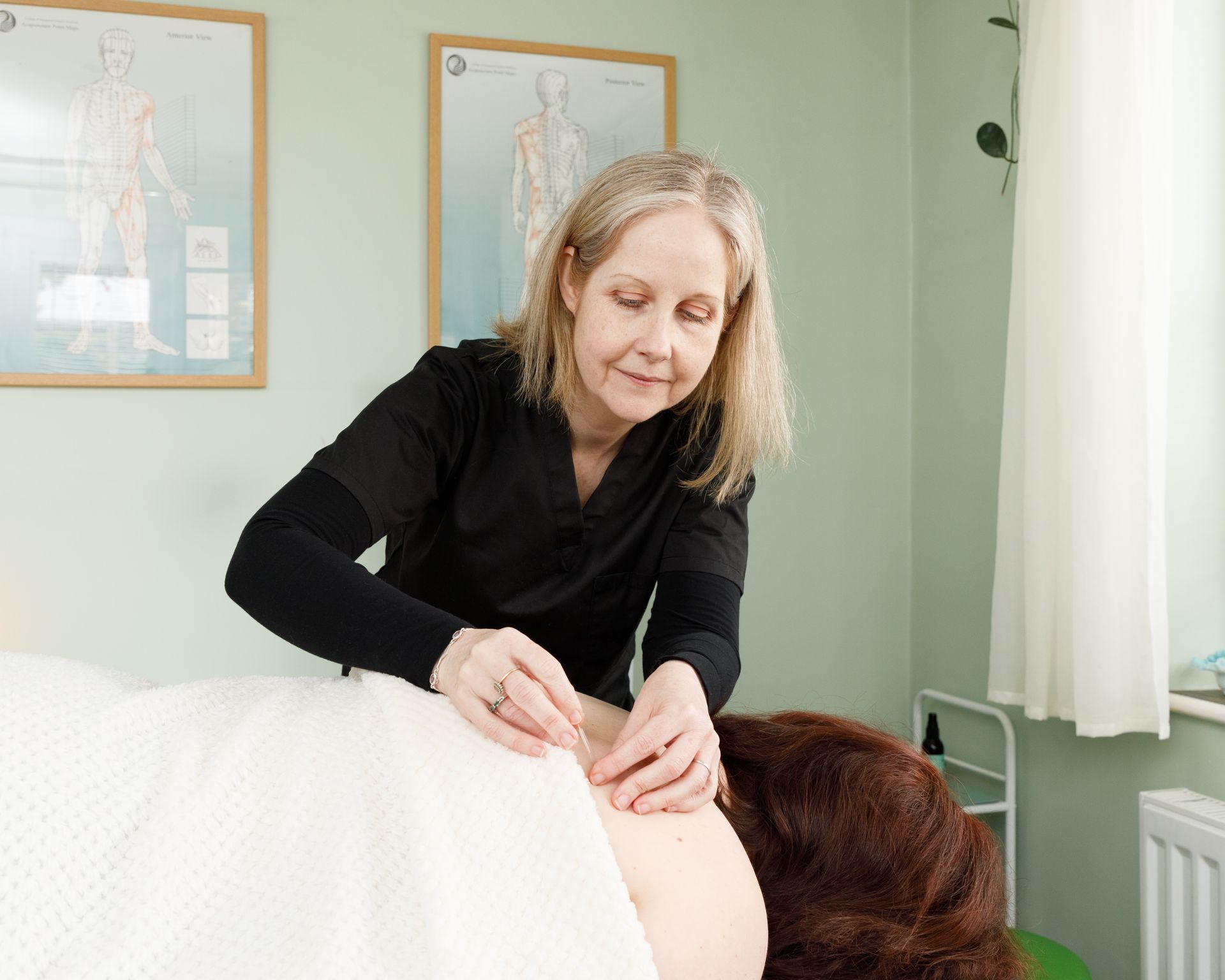
uses fine needles at specific points to calm the nervous system and encourage the body’s own regulatory chemicals. It can calm the mind and relax the body, and may lower stress and anxiety, supporting better sleep patterns. Some research trials show acupuncture outperforms many hypnotic medications which can make it an attractive option if individuals wish to avoid dependency om prescription medication. It can be used safely alongside conventional treatment. For people who are needle averse, ear acupuncture and acupressure are popular alternatives.
What about lifestyle?
Caffeine, alcohol, irregular sleep schedules, late heavy meals, screen exposure before bed, lack of daytime activity, and poor sleep environment all worsen sleep and stress. Pain, medications, and medical or psychiatric conditions also contribute. Reducing or eliminating these factors, where possible, can help improve sleep patterns.
Holistic sleep strategies
Combine acupuncture with sleep hygiene, relaxation (breathing, progressive muscle relaxation), regular exercise, and cognitive behavioural therapy (CBT) for persistent insomnia.
If you’re considering acupuncture, talk to your GP and choose a licensed acupuncturist to ensure safe, coordinated care.
Read more on the official acupuncture Uk website