Acupuncture vs Reflexology – What’s the Difference (and Which Might Be Right for You)?
January 7, 2026
Acupuncture vs Reflexology – What’s the Difference (and Which Might Be Right for You)?
If you’re new to complementary therapies, it’s common to wonder what the difference is between acupuncture and reflexology – and whether one is better suited to you than the other.
The short answer? Neither is “better” - they’re simply different approaches.
What is acupuncture?
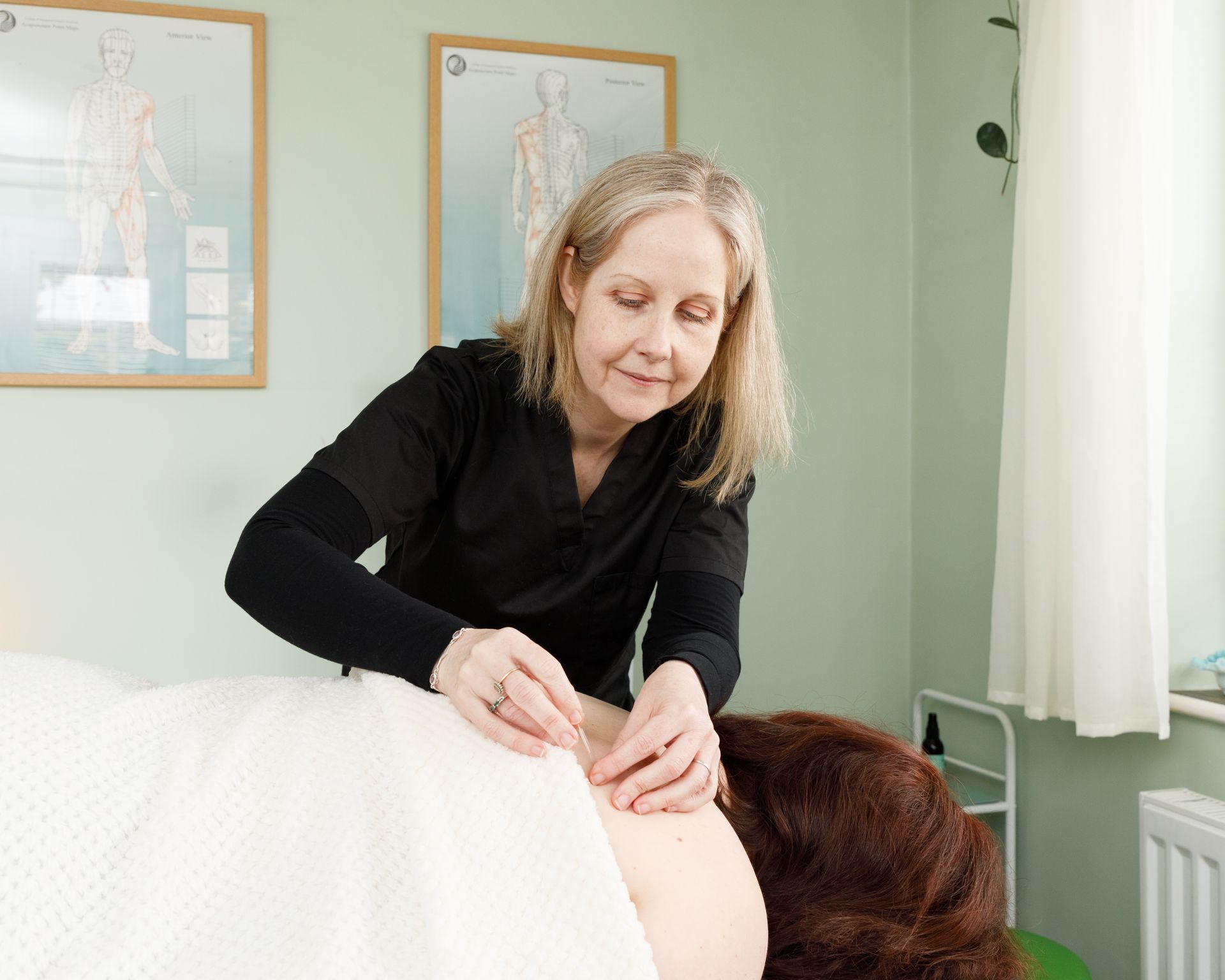
Acupuncture originates from traditional Chinese medicine and involves the use of very fine, sterile needles [placed at] specific points on the body. These points have been mapped over centuries and are associated with energy pathways often referred to as meridians.
Modern clients often choose acupuncture because sessions are typically deeply relaxing, and many people barely feel the needles at all.
That said, fear of needles is completely valid – and very common.
What is reflexology?
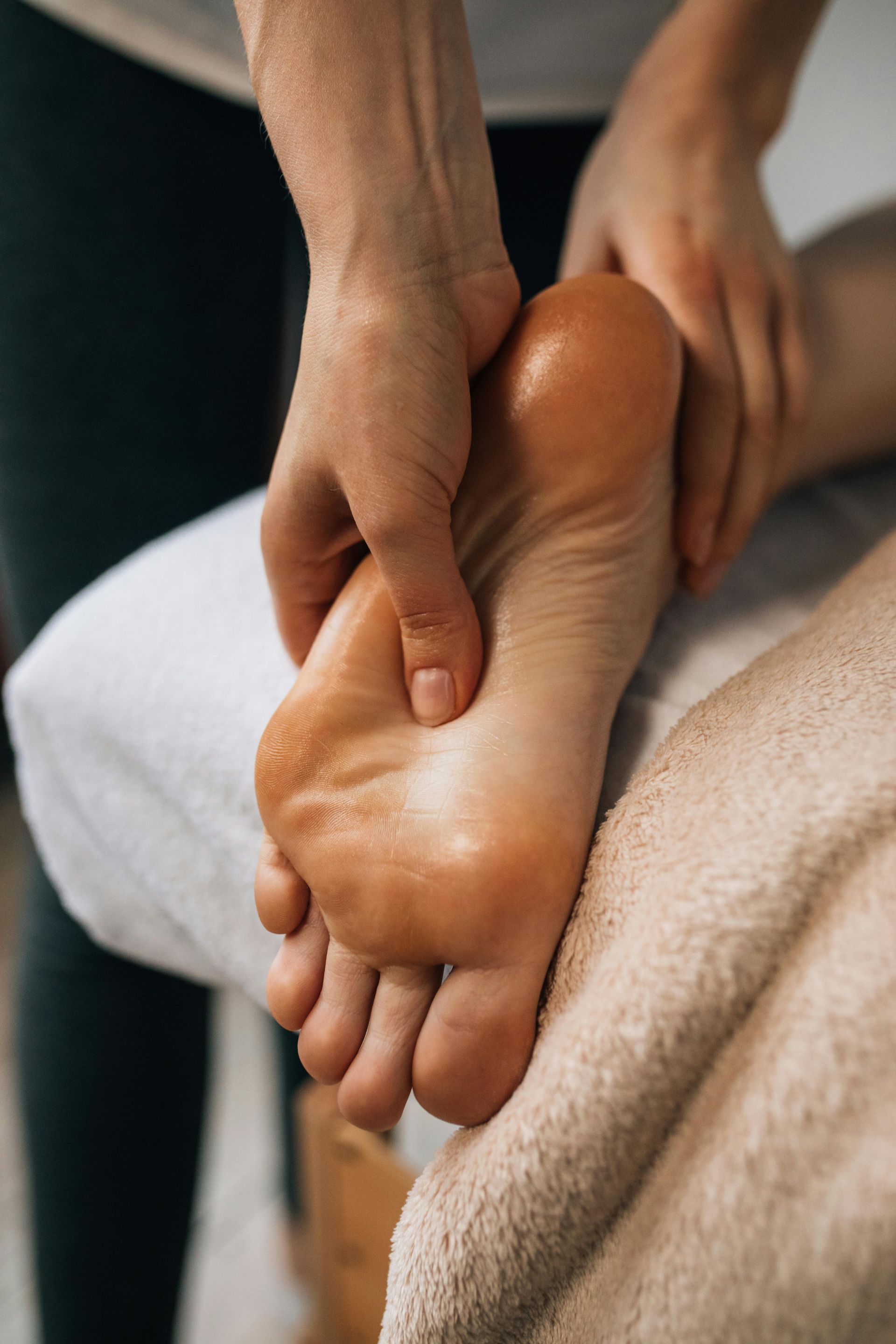
Reflexology focuses on the feet (and sometimes hands), working on specific areas that correspond with different parts of the body. It’s a non-invasive therapy that uses pressure techniques rather than needles.
For clients who are needle-averse, reflexology can feel like a more approachable first step into holistic therapies.
Choosing what feels right
You might prefer reflexology if:
- You’re nervous about needles
- You enjoy hands-on, grounding treatments
- You want to feel relaxed and supported without undressing
You might lean toward acupuncture if:
- You’re curious about traditional Chinese medicine
- You’re comfortable with needles
- You want a very still, meditative treatment experience
Some clients try both at different times of their lives – or even alternate between them depending on how they’re feeling.
There’s no wrong choice. The best therapy is often the one you feel most comfortable committing to.